 ⌕ Zoom
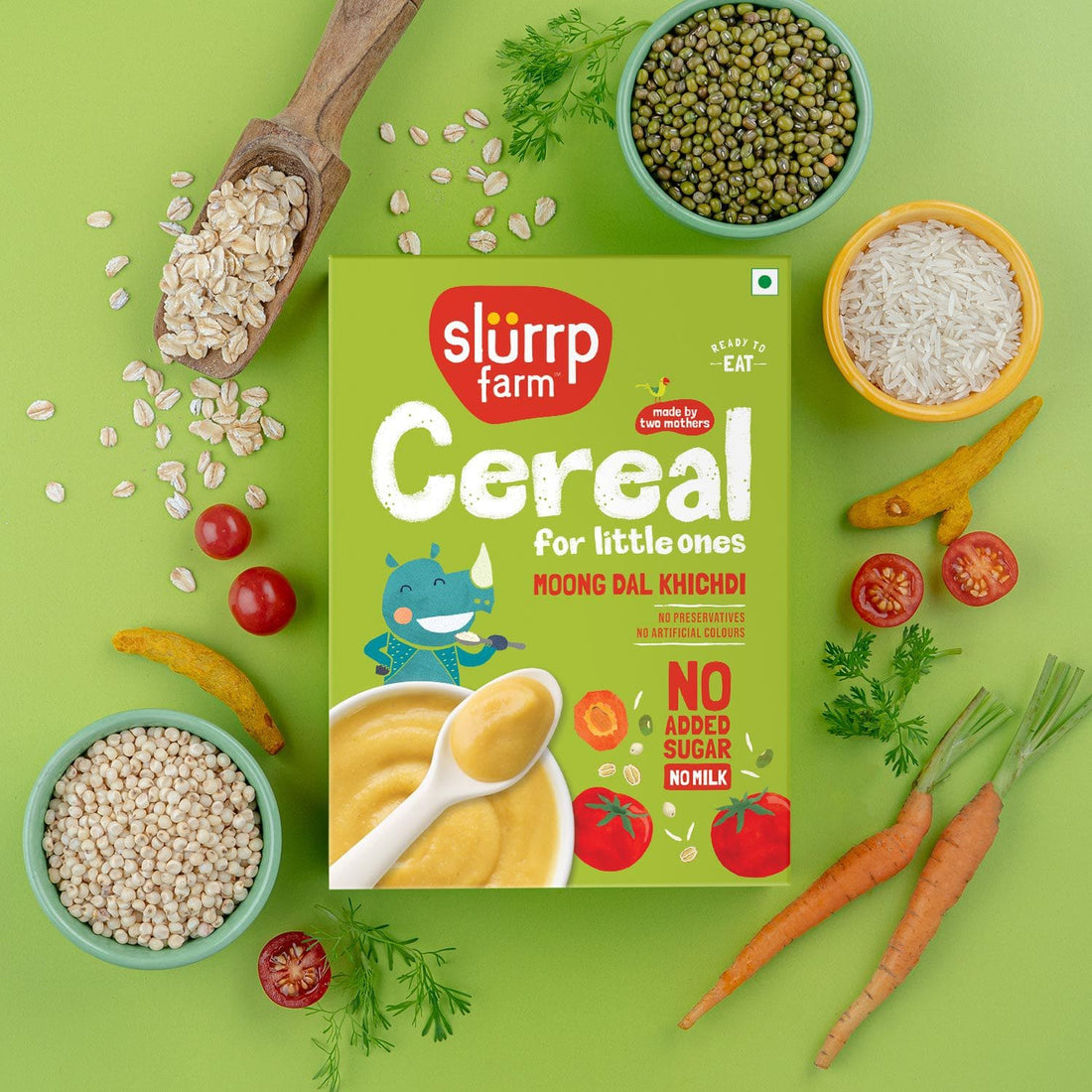
Photo from the brand's official website
Each ingredient gets a tier from our researched dossier. The list sorts worst-first; the donut summarises the distribution. Tap any ingredient for its full dossier.
We treat each claim as a question — does what’s inside back it up? Tap a claim for the reasoning.
Marketed at parents of infants and toddlers, this product is a largely whole-food grain blend with genuinely clean credentials — no added sugar, no artificial colours or preservatives, no milk, and a meaningful millet component (jowar at 31%). The vitamin and mineral fortification is substantial and appropriate for early-childhood nutrition. However, the single most important caution for this audience is that rice is the lead ingredient: rice accumulates inorganic arsenic, and infants and young children face the highest relative exposure risk — FDA specifically targets infant rice cereals with a 100 ppb action level and recommends grain variety. The added isolated vitamins and minerals push the product into NOVA 4, and coriander powder is generally not advised before 12 months. There is also a notable discrepancy between the structured nutrition data (123 kcal/100 g) and the rawLabelData panel (410 kcal/100 g) — the former appears to reflect per-serving (30 g) values mislabelled as per-100 g, likely an OCR or intake error; the rawLabelData figures are more consistent with a dry cereal powder.